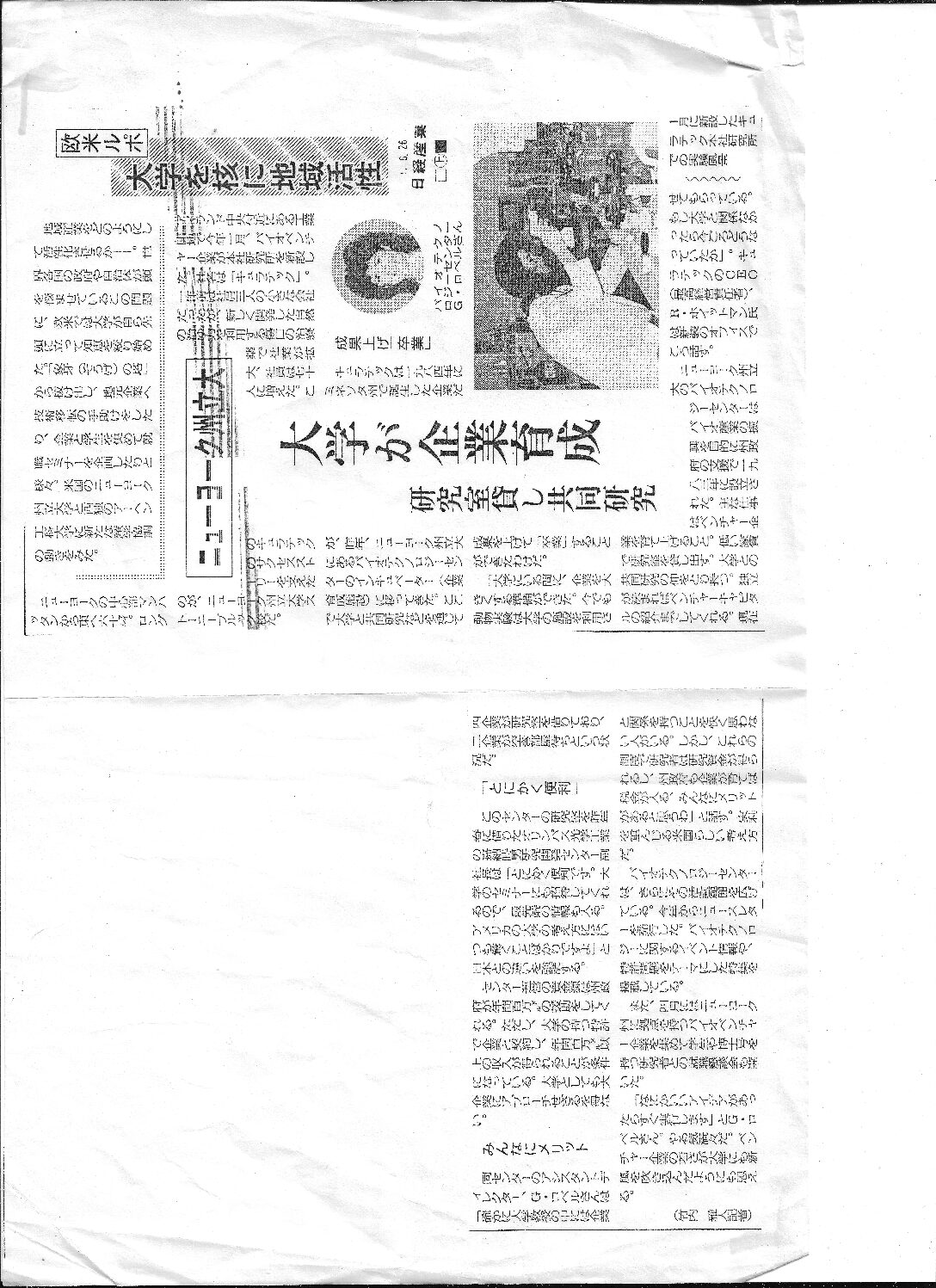
Olympus Biomedial, a Japanese company breaking into biotech in the 1980s, was one of the early tenants of the Stony Brook biotechnology incubator. Their Long Island location was reported on in Japan, showing the global...
Many local companies have found their scientific and economic footing via the biotech incubator program at Stony Brook University. But the incubator program isn’t directed exclusively at Long Island companies. Ginny Llobell, assistant and acting...
As former chair of the Long Island Regional Incubator Task Force and current tenant of the biotech incubator at Stony Brook, Jim Hayward has a lot of experience with how to get the most out...
Incubator facilities offer growing biotech companies a variety of benefits, everything from personnel and equipment to the ability to look a little bigger than you actually are. Jim Hayward, who has close ties to Stony...
In the 1980s, the term “business incubator” relatively new. But this did not mean the concept could not be found, or something pretty close to it. When Jim Hayward was looking for space for his...
How do you encourage small biotech companies? Steve Blose, biologist and formerly president and CEO of Protein Databases, Inc., points to the need for incubator space: “The best thing going for biotech at the time,...
Plants need nitrogen to grow, but a significant portion of the nitrogen in fertilizers is not absorbed by the soil or used by the growing plants. Rather, it washes away into waterways, rivers, and the ocean. This in turn has had devastating effects on marine life. In some areas, excessive nitrogen in the oceans has caused algae blooms that kill wildlife, make it dangerous for people to consume fish or shellfish or in some cases even swim in affected waters. This problem isn’t limited to poorer countries. Nitrogen pollution is a serious problem here on Long Island. In our case, the nitrogen comes primarily from septic tanks and cesspools, although nitrogen from agricultural fertilizers also plays a role. Nitrogen pollution in the waters around Long Island has hampered fishing, made it dangerous to eat seafood from some areas, and caused environmental changes that make coastal areas more prone to flooding.