Not Quite New York, Not Quite Science

flasks-3
The Early Days of Biotech on Long Island
A history of science exhibition supported by the Robert D. L. Gardiner Foundation

Introduction

This exhibition is an exploration of the history of biotechnology on Long Island, focusing on the 1980s and 1990s when the industry was taking shape.

What is biotechnology? As one of our interviewees for this project points out, the term is pretty broad. It can be used in a general way to include almost any use of microorganisms to make a product, which would include traditional fermentation technology and culturing of microorganisms to extract biological substances for medicinal or other purposes. More often, though, the term ‘biotechnology’ is used in a narrower sense to refer to the commercial use of modern gene editing technologies, the first of which were developed in the 1970s. This is how we use it in this exhibition.  Read more »

Themes: Explore Topics and Connections

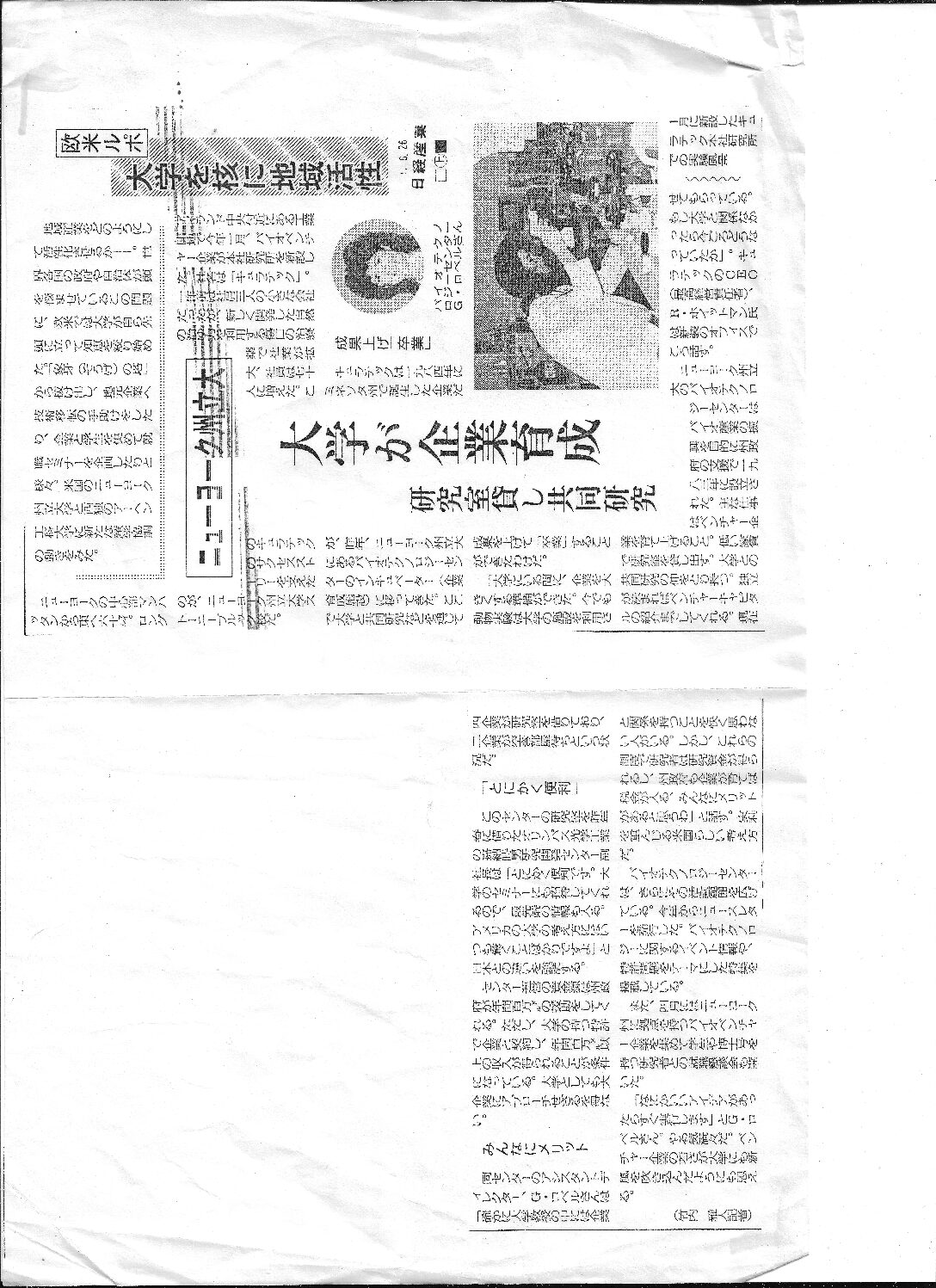
Olympus Biomedial, a Japanese company breaking into biotech in the 1980s, was one of the early tenants of the Stony Brook biotechnology incubator. Their Long Island location was reported on in Japan, showing the global...

The development of biotechology in the 1970s and 1980s went alongside another change in the life sciences: the use of computers in research. CSHL scientist and Protein Databases, Inc., co-founder Jim Garrels describes how he...

One of the things that several people involved in building the biotech industry on Long Island in the 1980s mention is the excitement of doing something new and unprecedented......
Is it easy to attract and retain scientific talent for biotech on Long Island? It depends on who you talk to. In some cases, companies find it relatively easy to attract researchers......

A biotech industry does not spring fully formed from the air, even under the best conditions. One thing that everyone involved in building the biotech industry on Long Island emphasizes is the need for continued...

Many local companies have found their scientific and economic footing via the biotech incubator program at Stony Brook University. But the incubator program isn’t directed exclusively at Long Island companies. Ginny Llobell, assistant and acting...

Stories: Explore Companies, Biographies and Careers

How can we figure out what is going on inside a cell at any given moment? One thing that tells us a lot about which genes in a cell are

Read More »

The biotech industry on Long Island and elsewhere in the United States has grown up in the space between academic science, venture capital, and long-established industries such as pharmaceuticals and

Read More »

Communication is a perennial challenge in the world of biotechnology. This is true for people with a research background who want to talk to venture capitalists, and for people from

Read More »

Applied Genetics, Inc. (AGI) was founded in 1985 in Freeport, NY, by Dan Yarosh, whose Long Island roots are both scientific and personal. Dan did a postdoc at Brookhaven National
Read More »

“Memory pills” was the phrase the New York Times used in 2003 to describe the work of Helicon Therapeutics, a Long Island biotech start up based on the work of

Read More »

How do you build a biotech industry? Is it something that simply develops organically and without intervention given the right combination of people and resources, or does it require a

Read More »

Plants need nitrogen to grow, but a significant portion of the nitrogen in fertilizers is not absorbed by the soil or used by the growing plants. Rather, it washes away into waterways, rivers, and the ocean. This in turn has had devastating effects on marine life. In some areas, excessive nitrogen in the oceans has caused algae blooms that kill wildlife, make it dangerous for people to consume fish or shellfish or in some cases even swim in affected waters. This problem isn’t limited to poorer countries. Nitrogen pollution is a serious problem here on Long Island. In our case, the nitrogen comes primarily from septic tanks and cesspools, although nitrogen from agricultural fertilizers also plays a role. Nitrogen pollution in the waters around Long Island has hampered fishing, made it dangerous to eat seafood from some areas, and caused environmental changes that make coastal areas more prone to flooding.